

About the film
Phil Hartman’s Flat TV is a short film that adapts six early archival audio recordings created by Phil Hartman in the late 1970s, before he became widely known for his work in television and film. The recordings capture Phil experimenting with characters, voices, and comedic ideas during an early, formative period of his creative life.
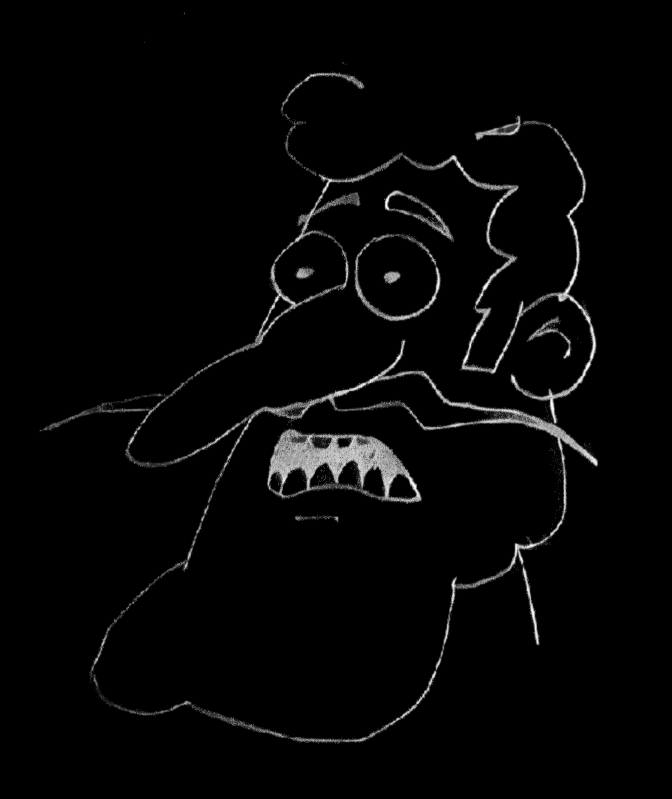
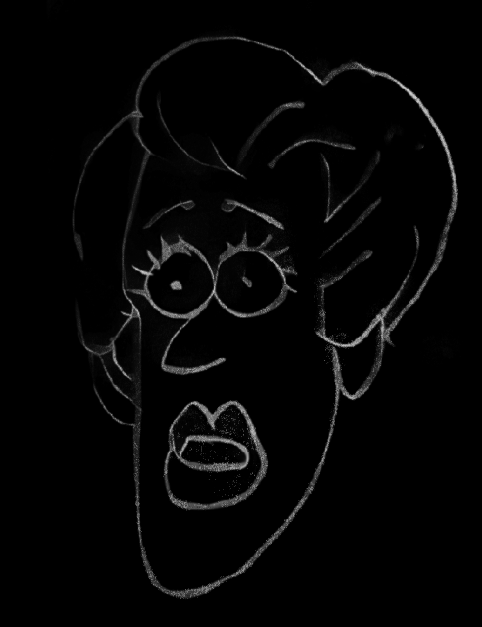
Each sketch is paired with Phil’s original drawings and interpreted using a different visual approach. The film moves between hand-drawn animation, rigged digital animation, puppetry, clay animation, and other mixed techniques. Rather than settling into a single visual style, each segment is allowed to find its own form, reflecting the playful and exploratory nature of Phil’s early work.
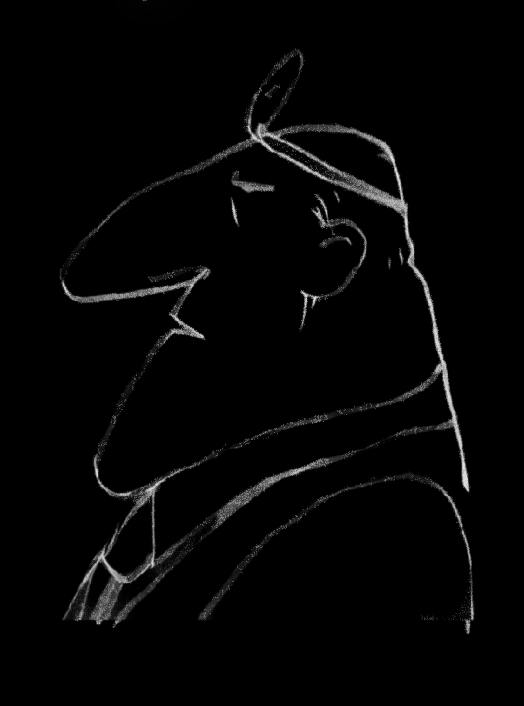
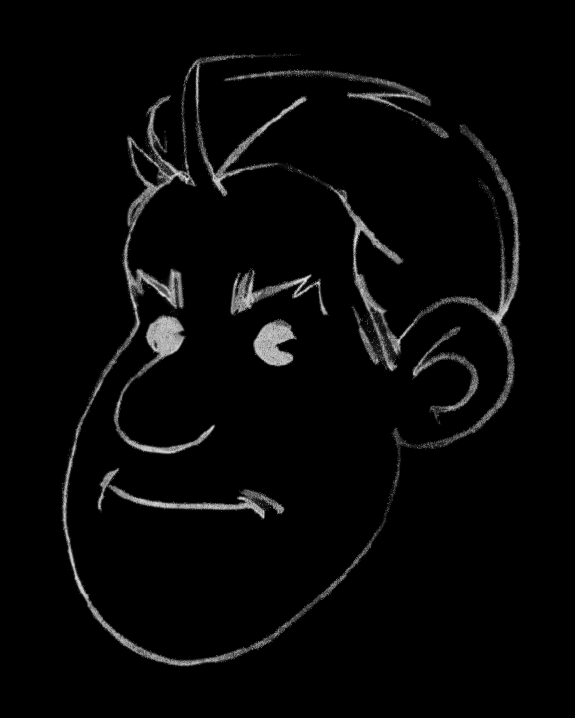
Phil Hartman’s Flat TV is structured as six short segments, each built around a different recording. Together, they form a compact anthology that highlights the range of voices, tones, and ideas Phil was experimenting with long before his on-screen career took off. Some pieces lean absurd, others observational or character-driven, but all share the same loose, experimental spirit.

This project began as a way to explore and preserve a lesser-known side of Phil Hartman’s creative output. By adapting these early recordings into multiple animation styles, the film aims to present the material in a way that feels true to its original spontaneity while offering a new visual life to work that was never originally meant to be seen.
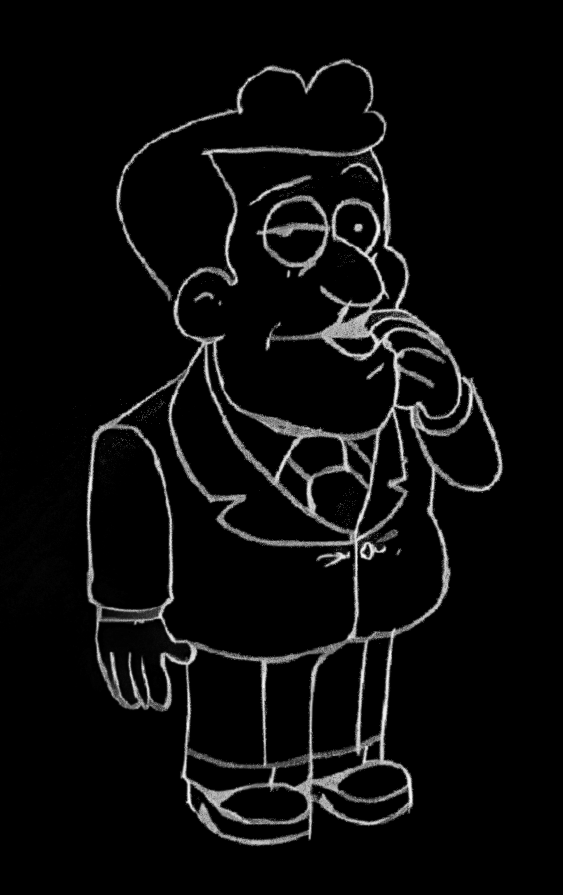
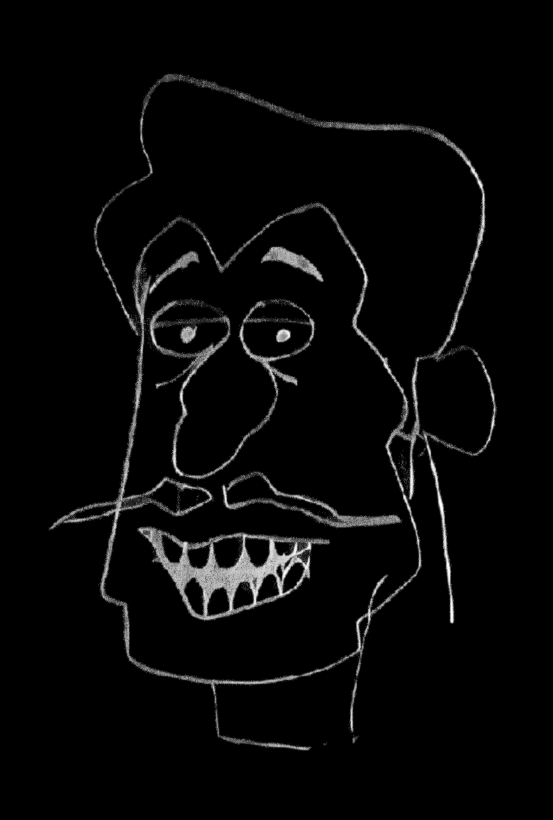
WRITTEN BY PHIL
These sketches come directly from original archival recordings, capturing his early characters, voices, and comedic ideas as he was developing his voice as a writer and performer.
DRAWN BY PHIL
Each segment is paired with Phil’s original drawings, using his own visual ideas as a starting point for the animation. The goal was to let his early artwork guide the look and tone of each piece.
STARRING PHIL
The performances in Phil Hartman’s Flat TV are built entirely around recordings of Phil’s original vocal performances. preserving the timing, rhythm, and spontaneity of his early work.