making of flat tv
Working with Phil Hartman’s Family
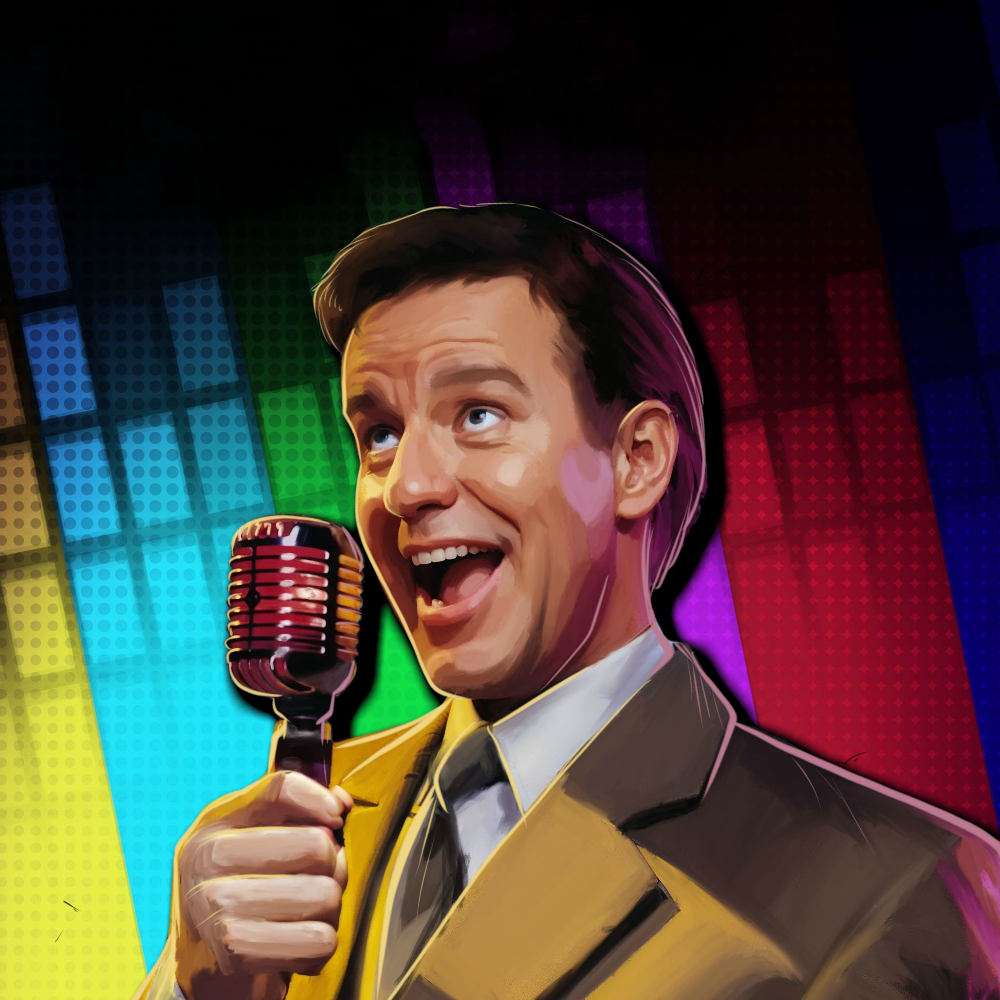
This project began through conversations with Phil Hartman’s brother, Paul Hartman. Together, we listened through Phil’s original Flat TV album and worked to shape the material into a tight ten-minute selection of sketches that could translate visually.
At the same time, I reviewed and curated Phil’s original drawings, looking for pieces that felt like they could serve as visual anchors for the segments. The goal wasn’t to exhaustively adapt everything Phil made, but to assemble a small, cohesive set of recordings and drawings that felt representative of the range of ideas he was exploring at the time.
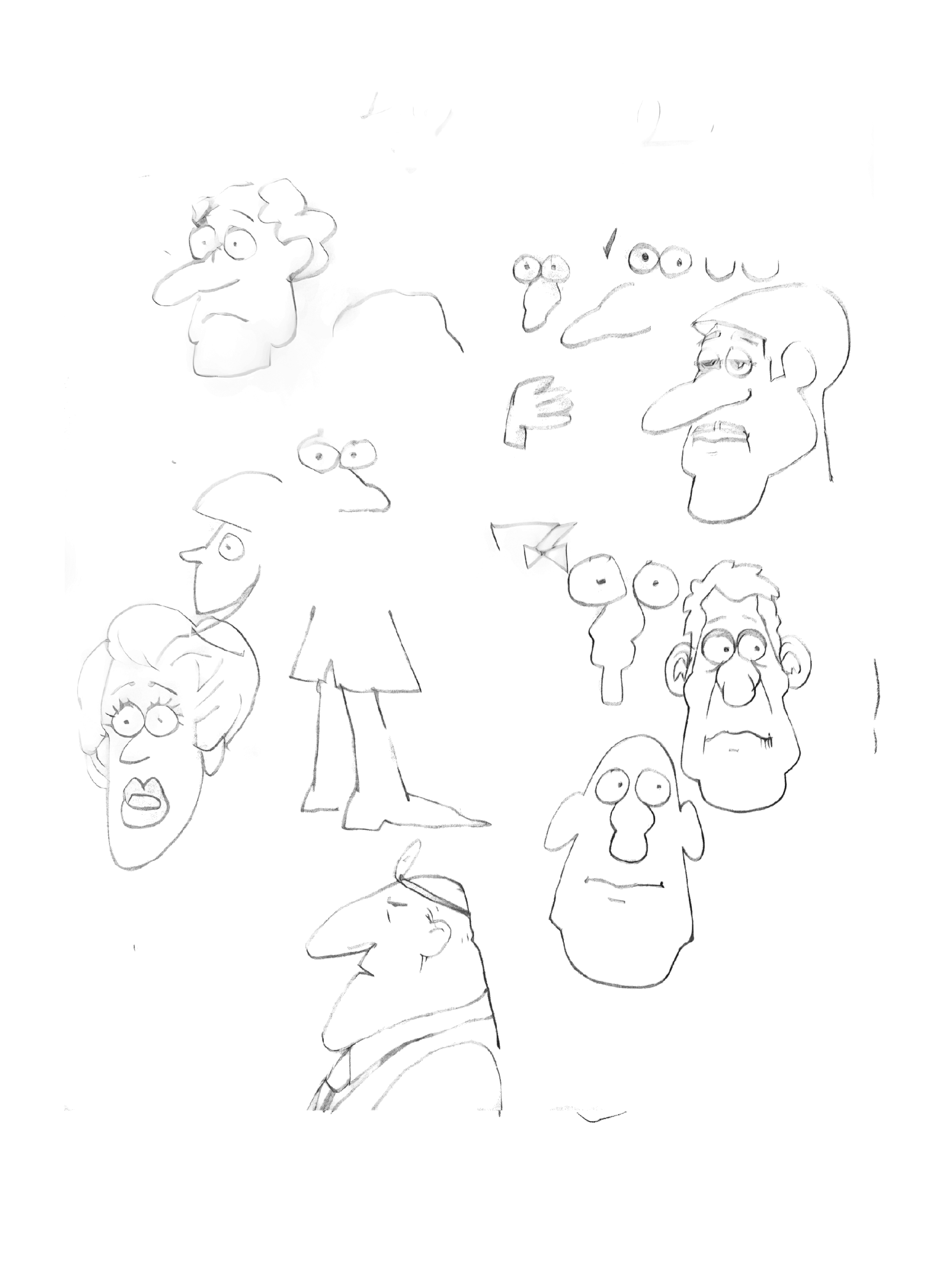
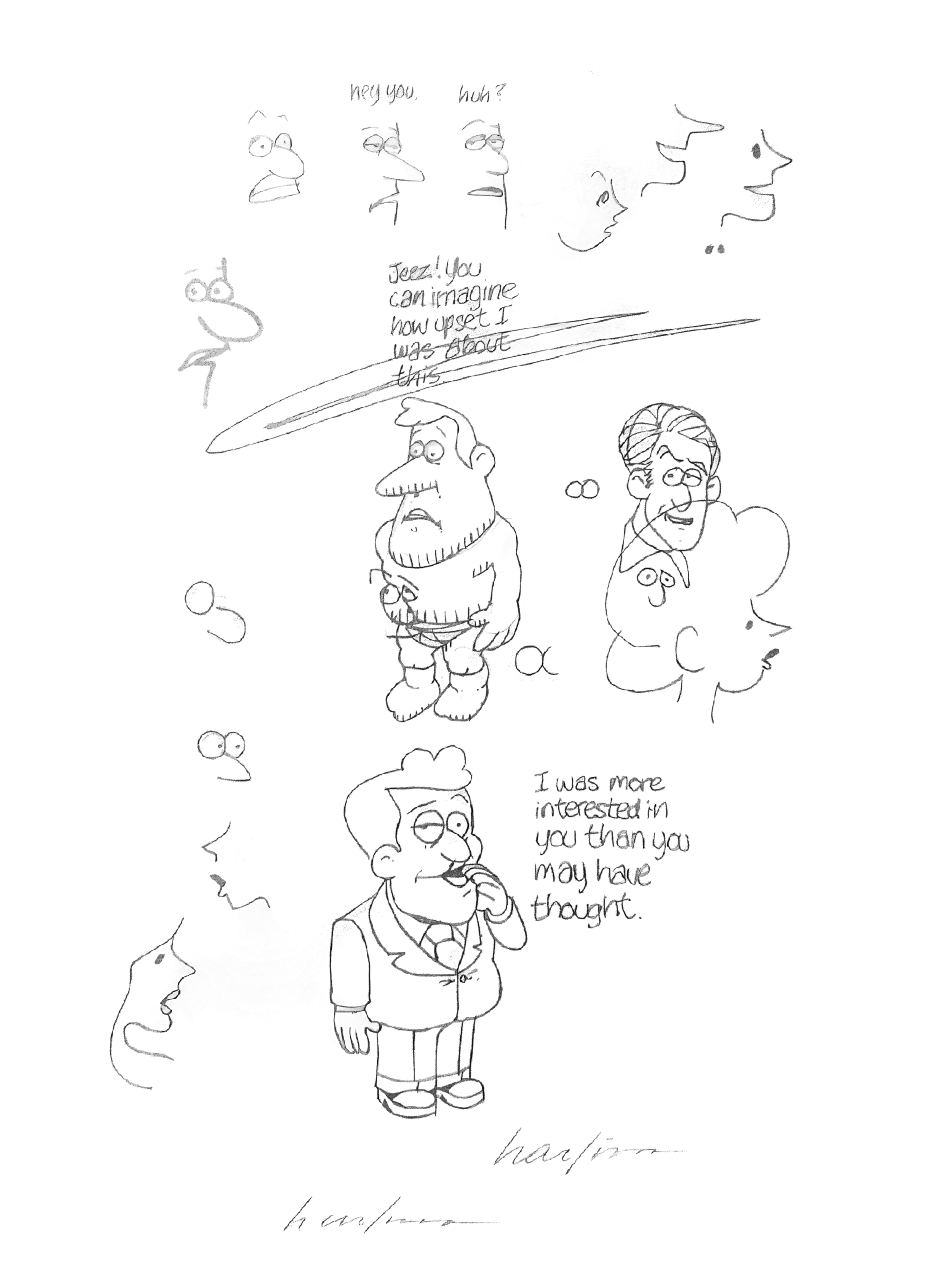
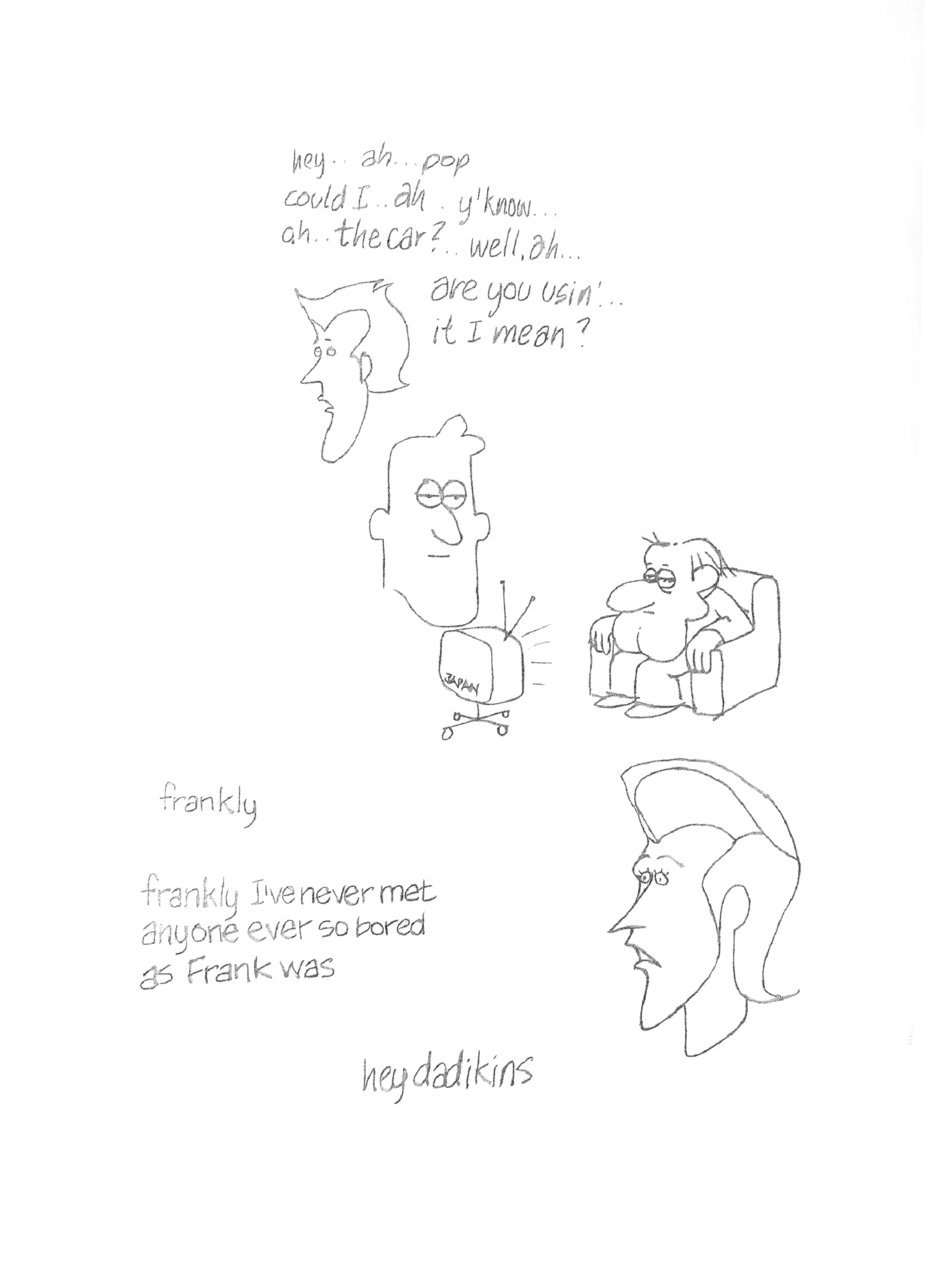
Early Concept Sketches
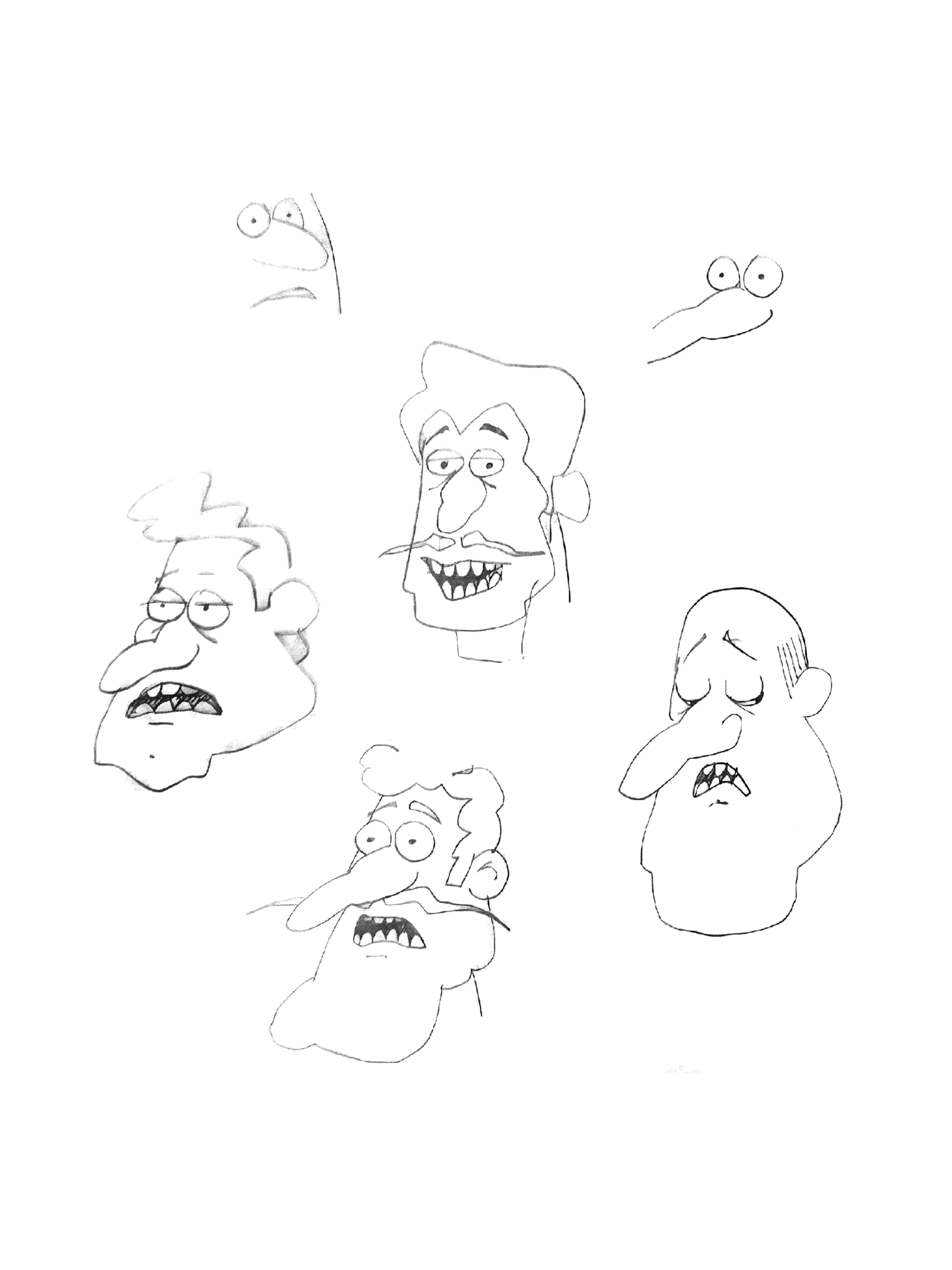
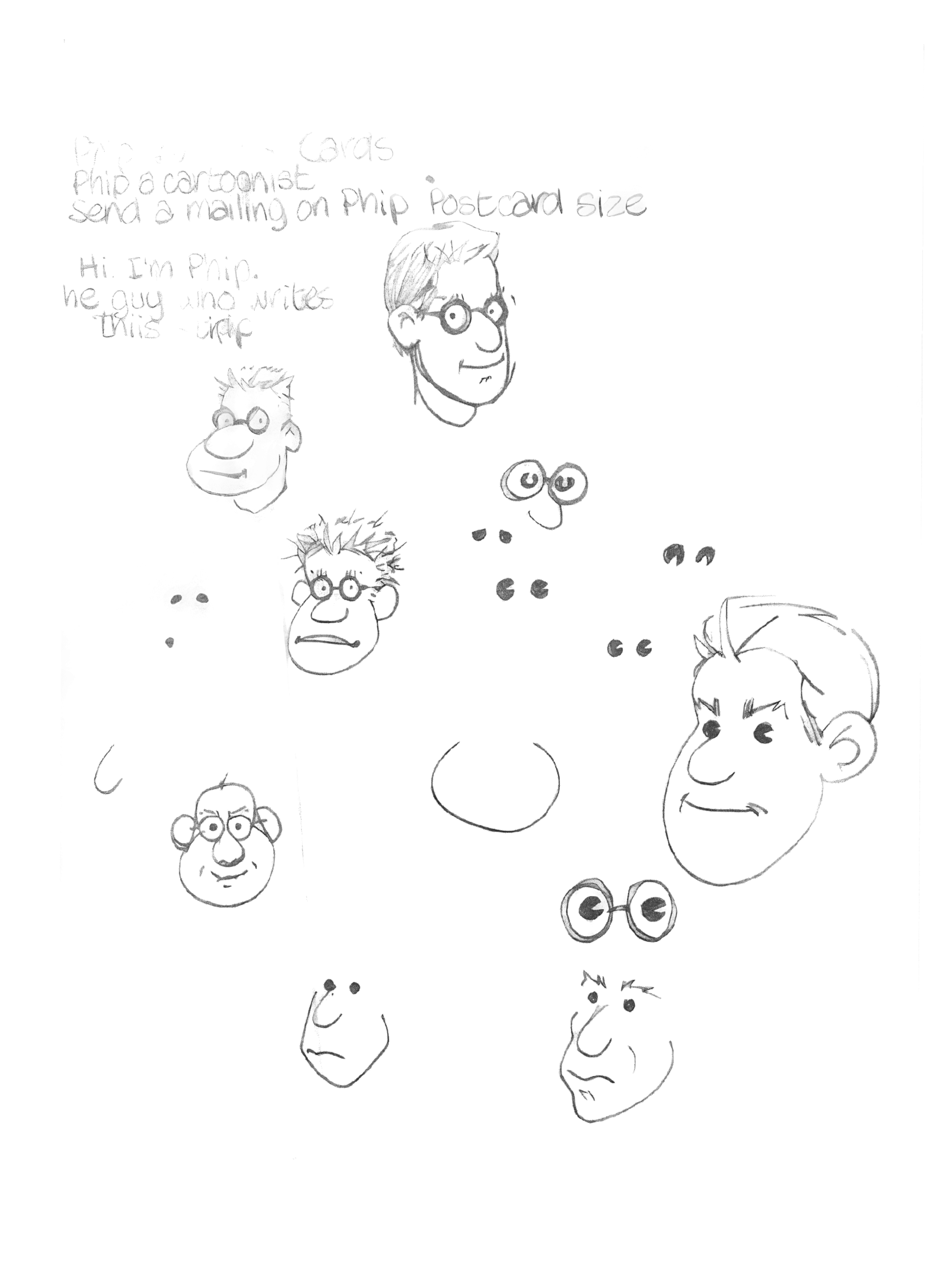
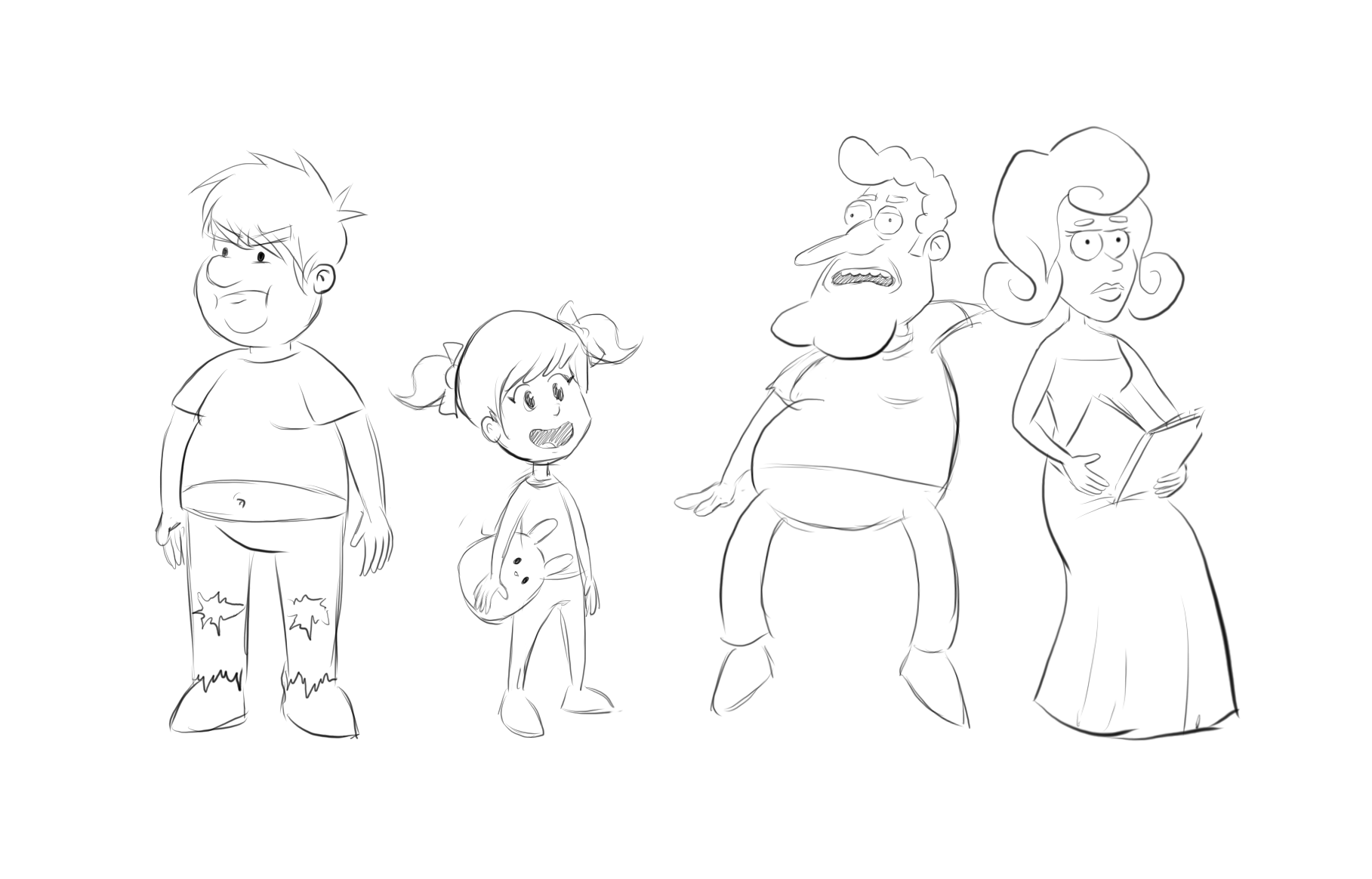
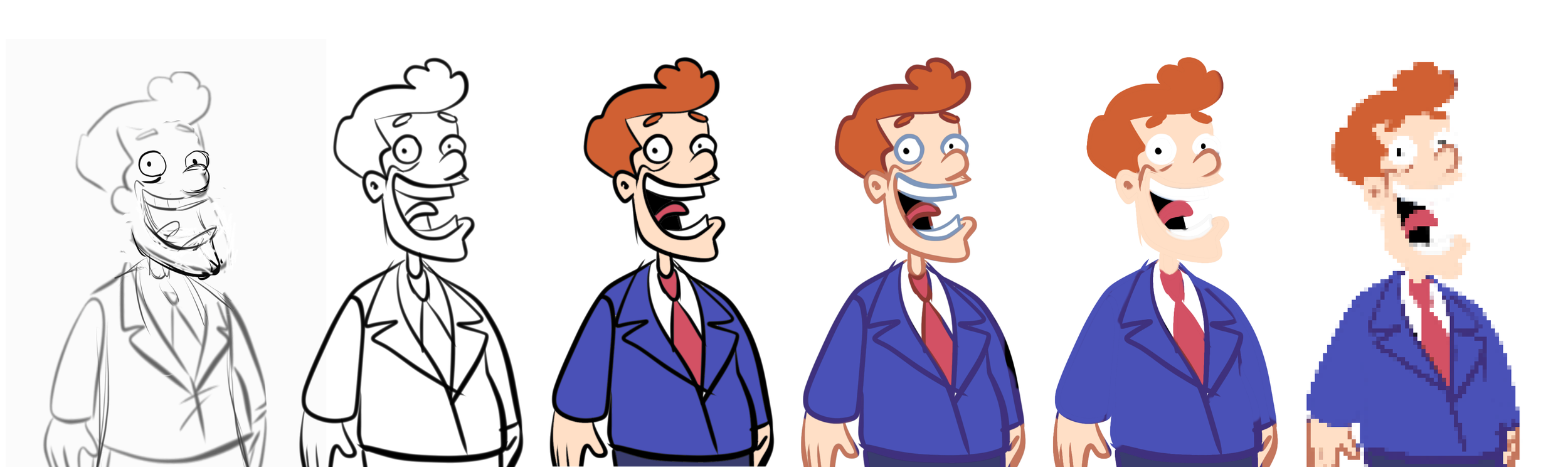
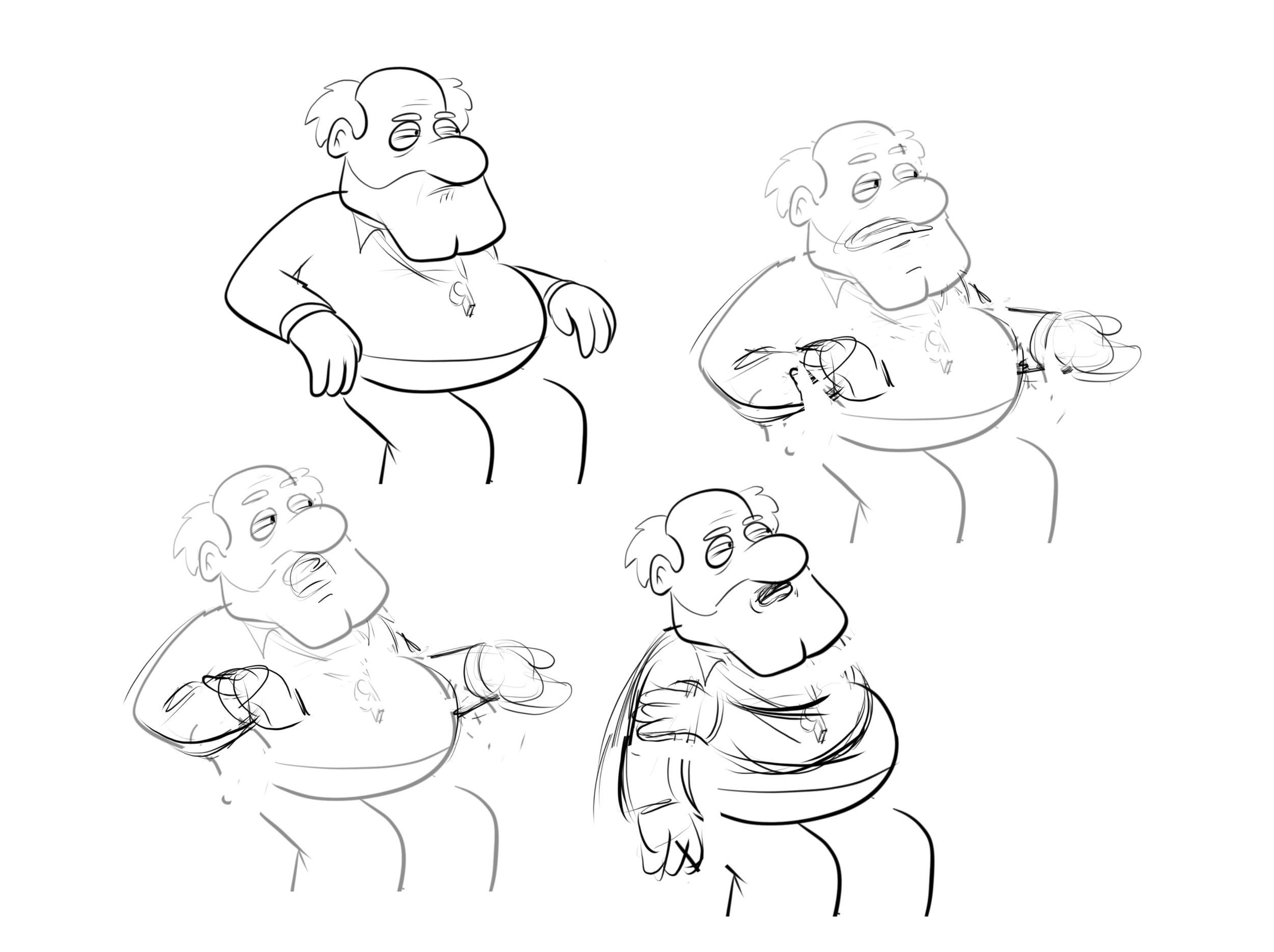
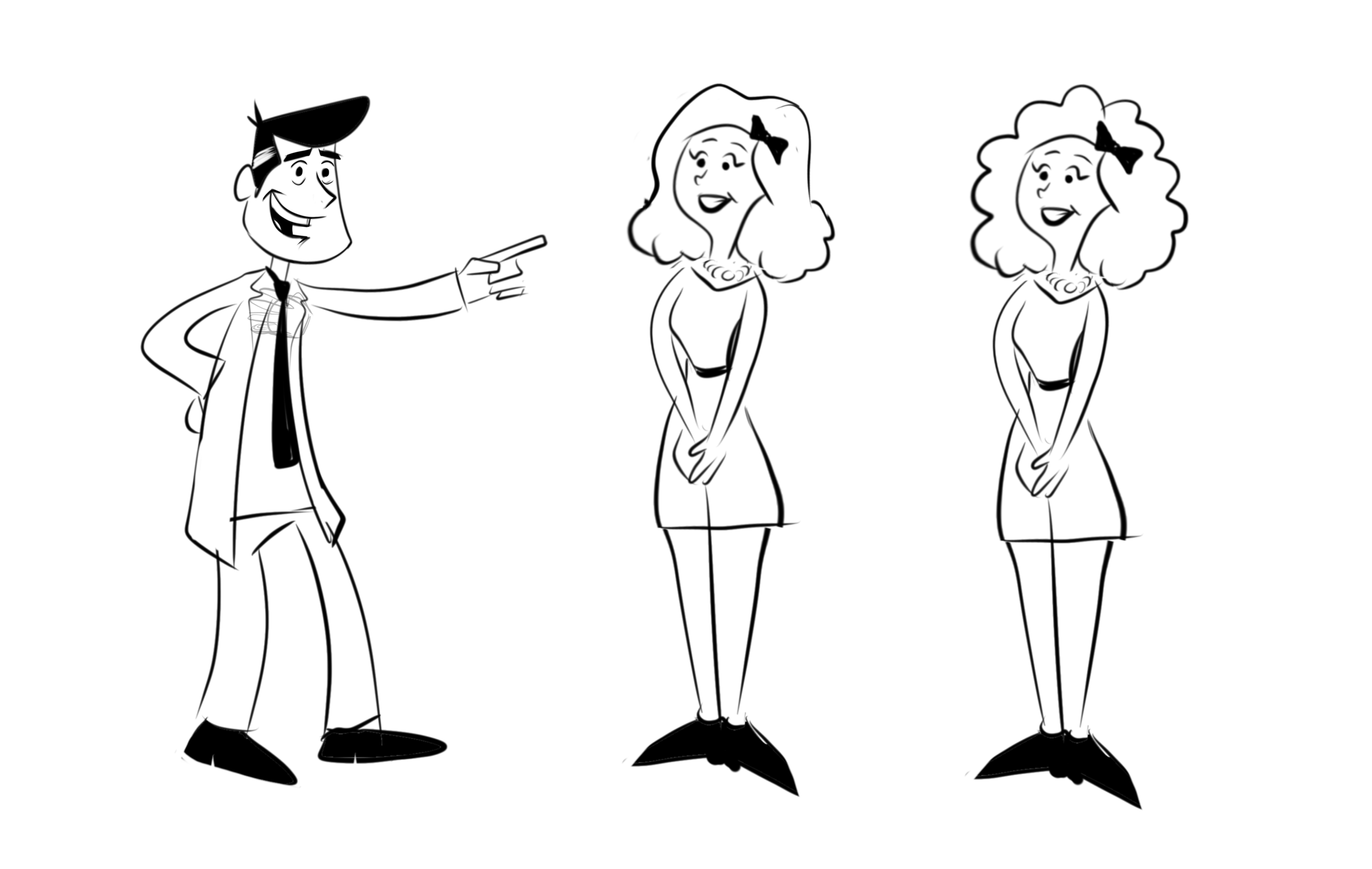
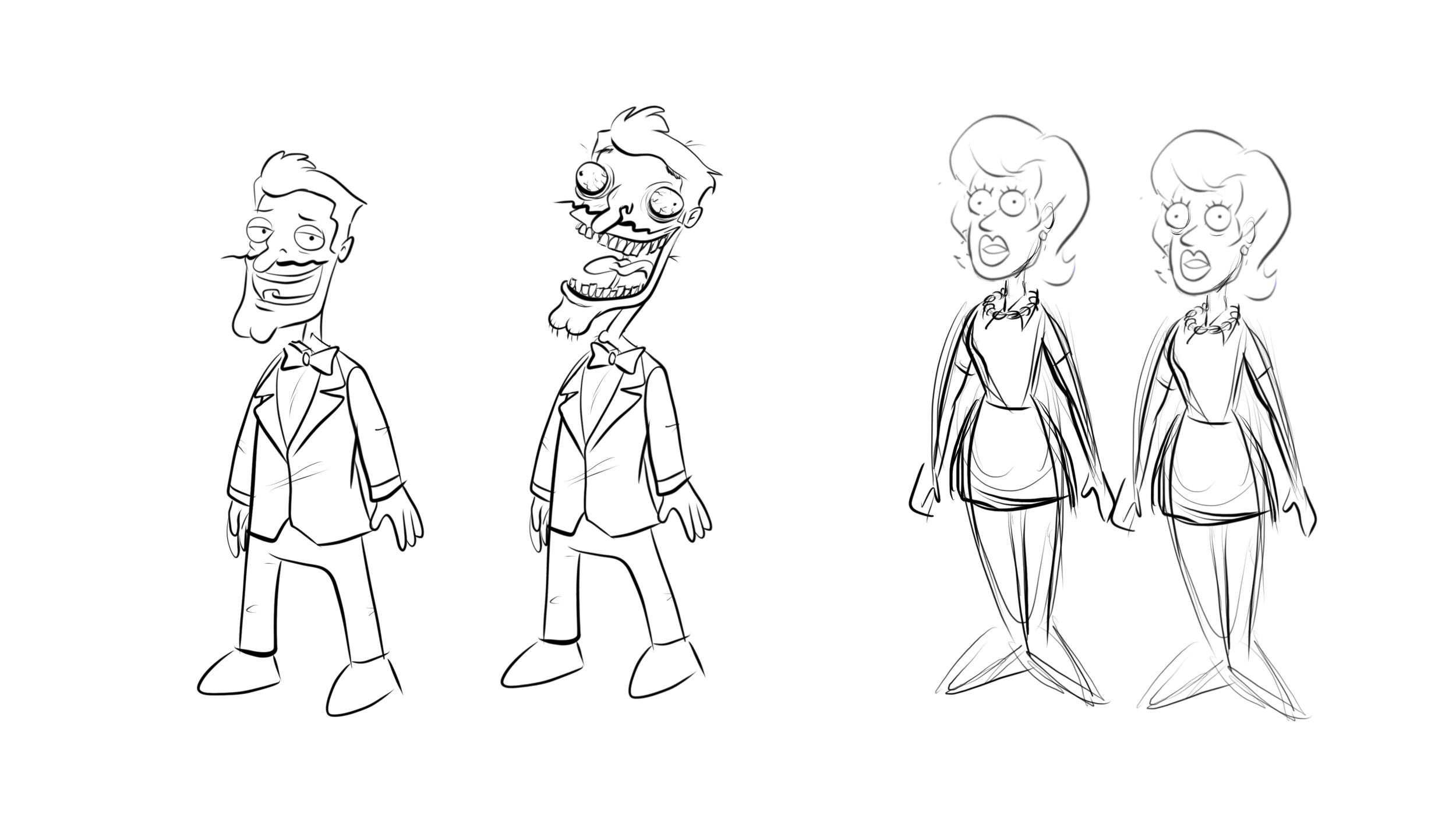
Before settling on final designs, I produced a wide range of concept sketches for multiple segments. These early drawings explored different character proportions, visual tones, and stylistic approaches, often exaggerating or simplifying elements to see what might best fit each recording.
Many of these concepts were deliberately rough. The point wasn’t polish, but exploration—testing visual directions quickly before committing to a specific look for each segment.
Animation & Editing
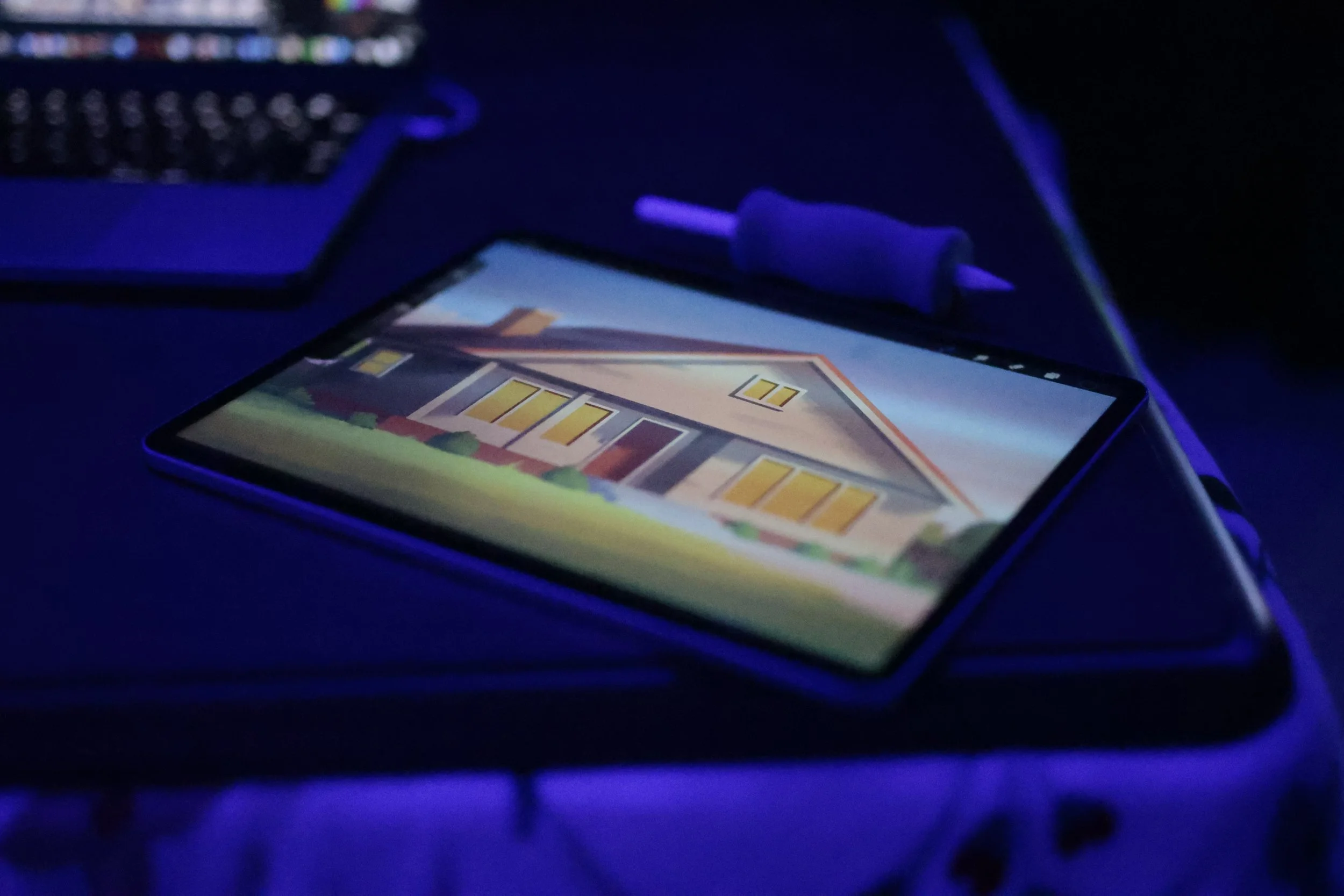
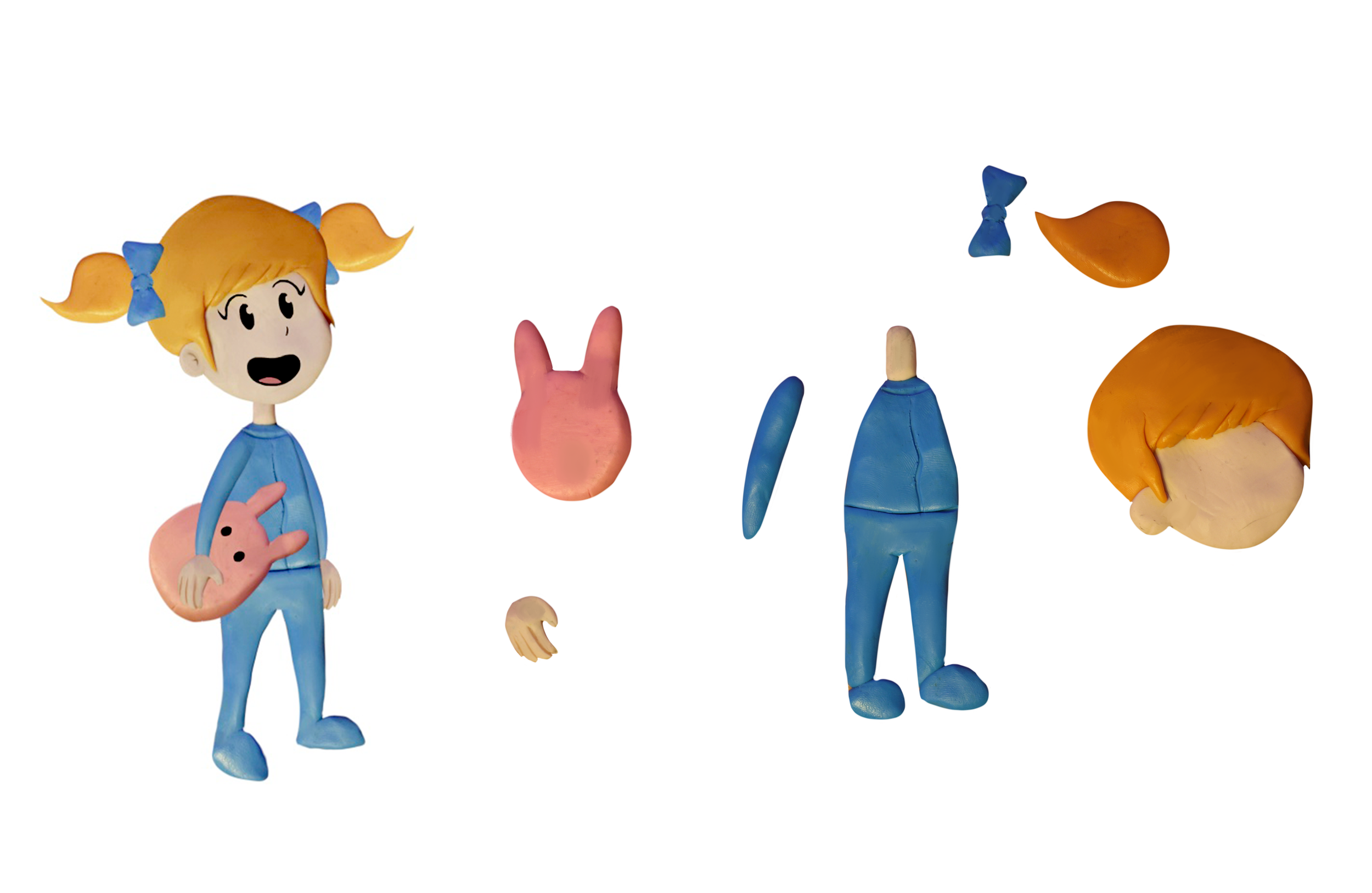
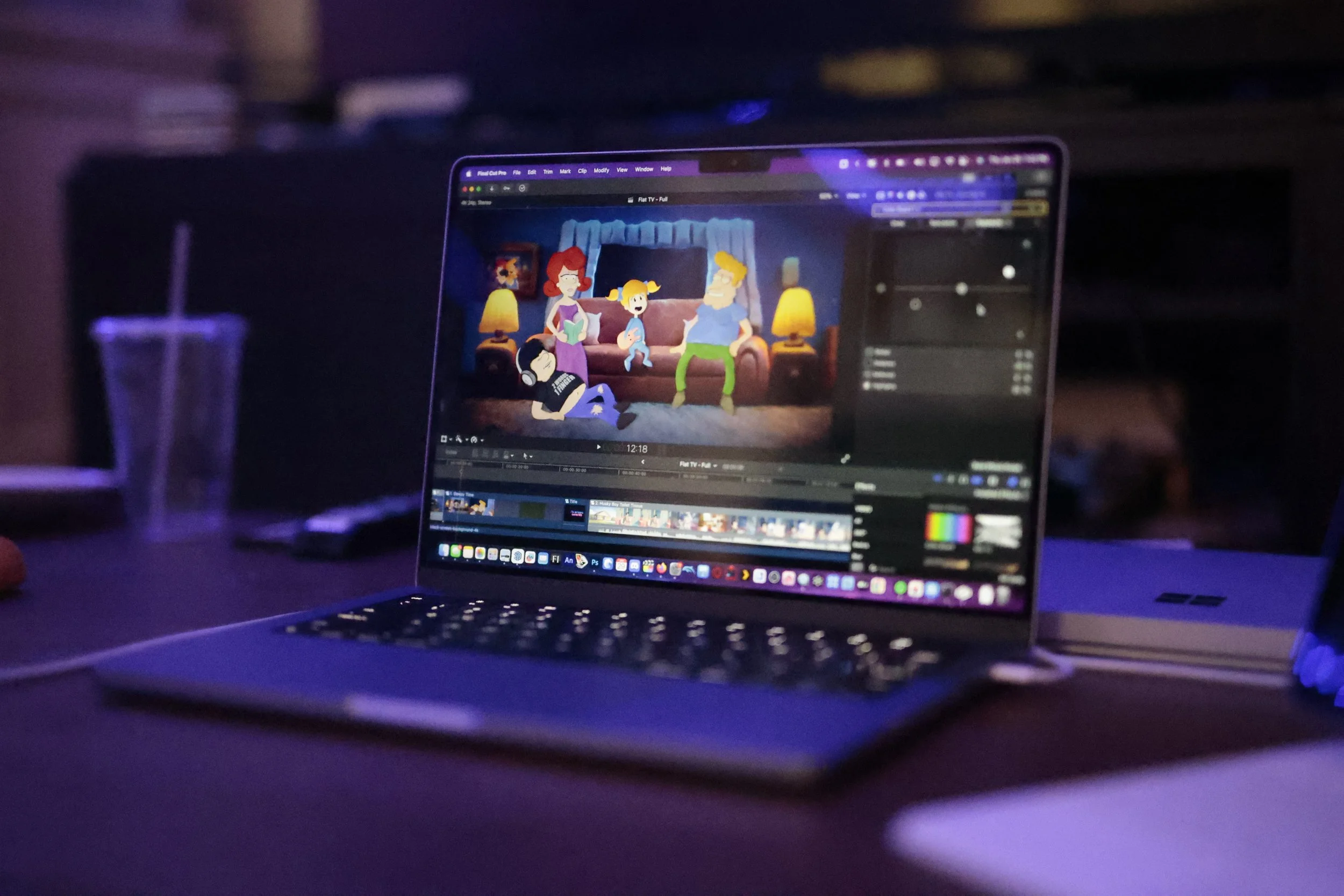
The animation was created using a combination of hand-drawn techniques and digital workflows, with editing and assembly handled in Final Cut Pro. Because the recordings themselves vary widely in tone and energy, no single visual style felt like a perfect fit for every sketch.
Rather than forcing the entire film into one unified look, I chose to let each segment find its own visual language. There’s no definitive way to know what Phil would have wanted stylistically, but allowing the film to shift styles felt like the most honest way to respond to the variety of ideas in the recordings.
Anything but more 2d animation
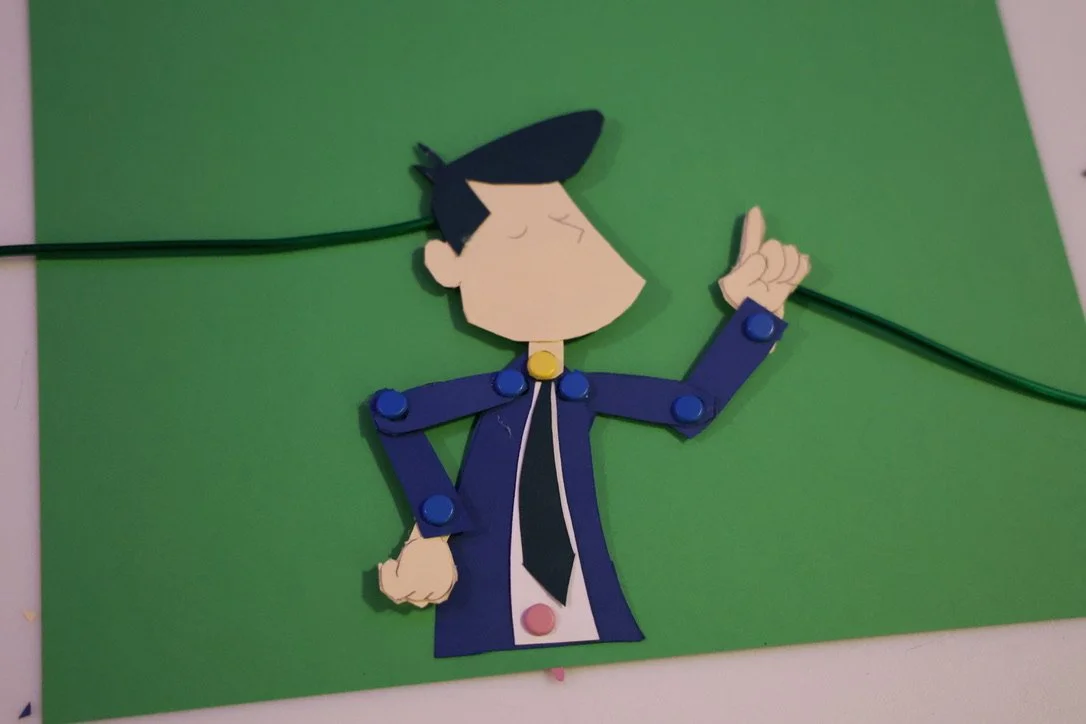
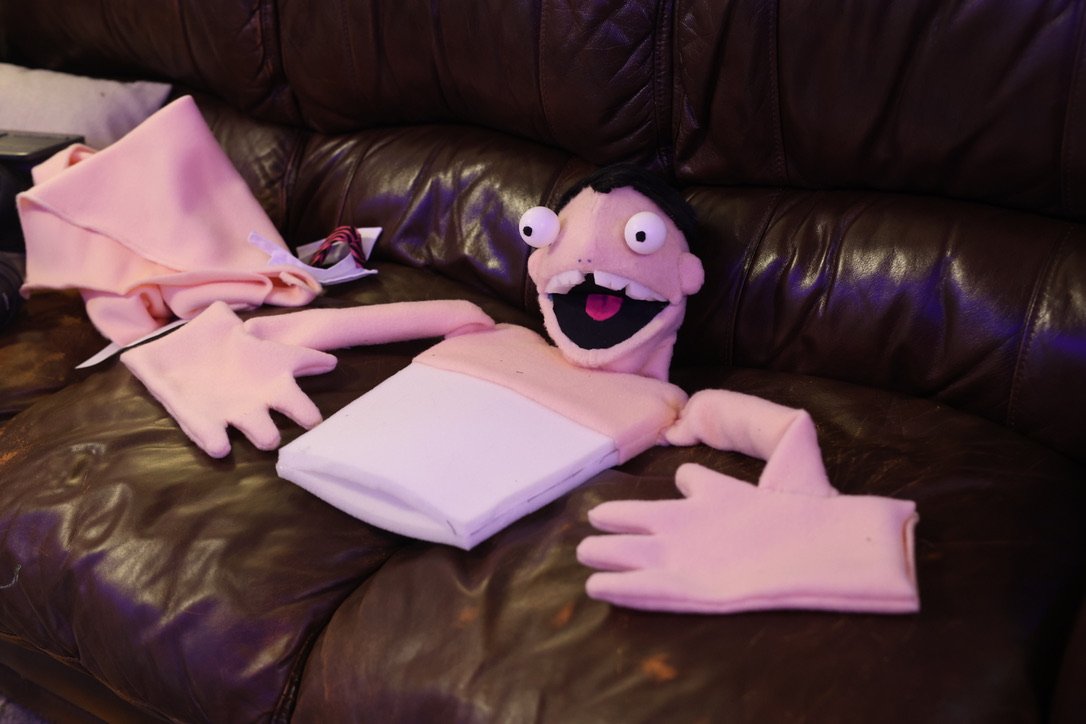
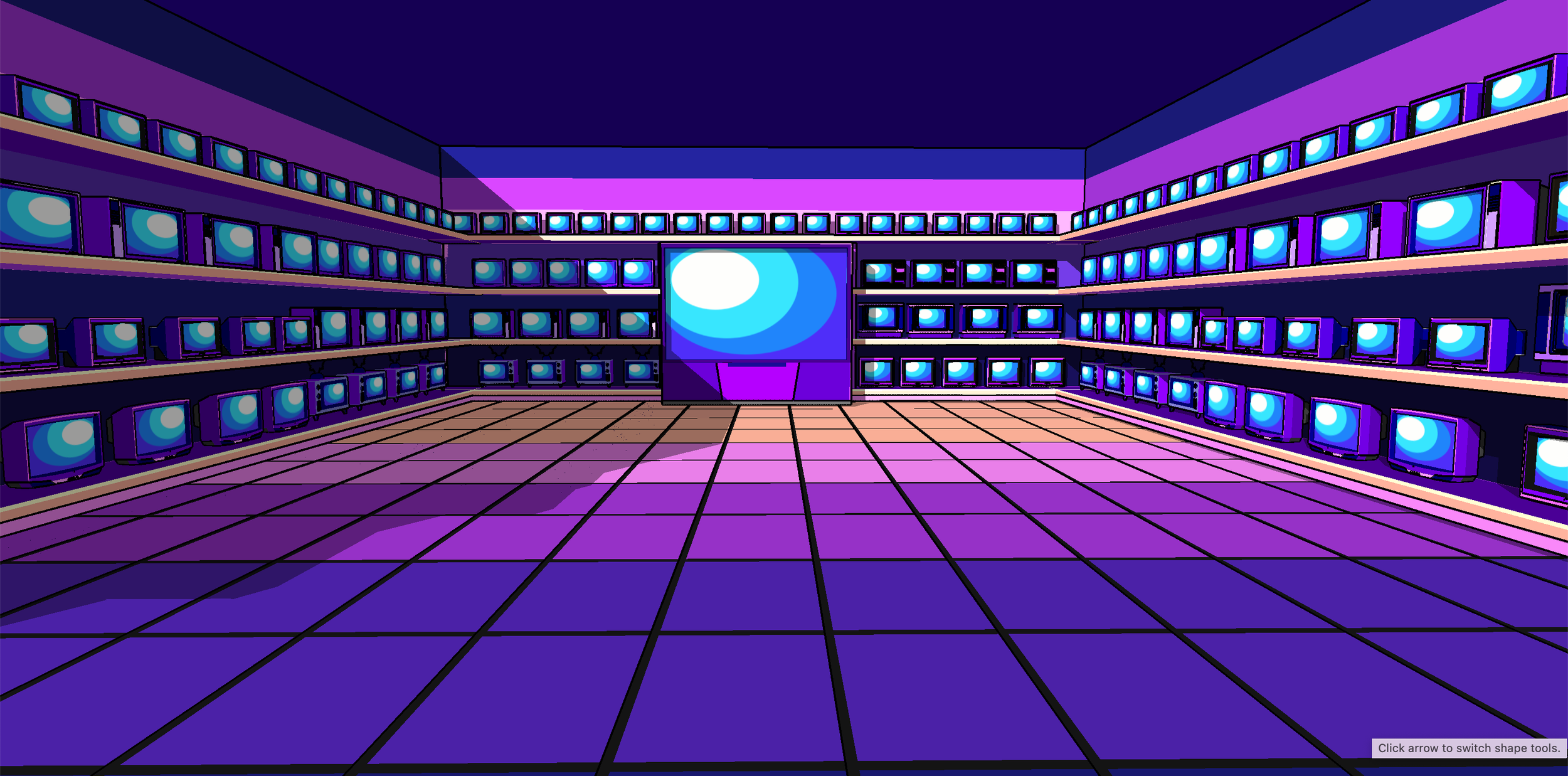
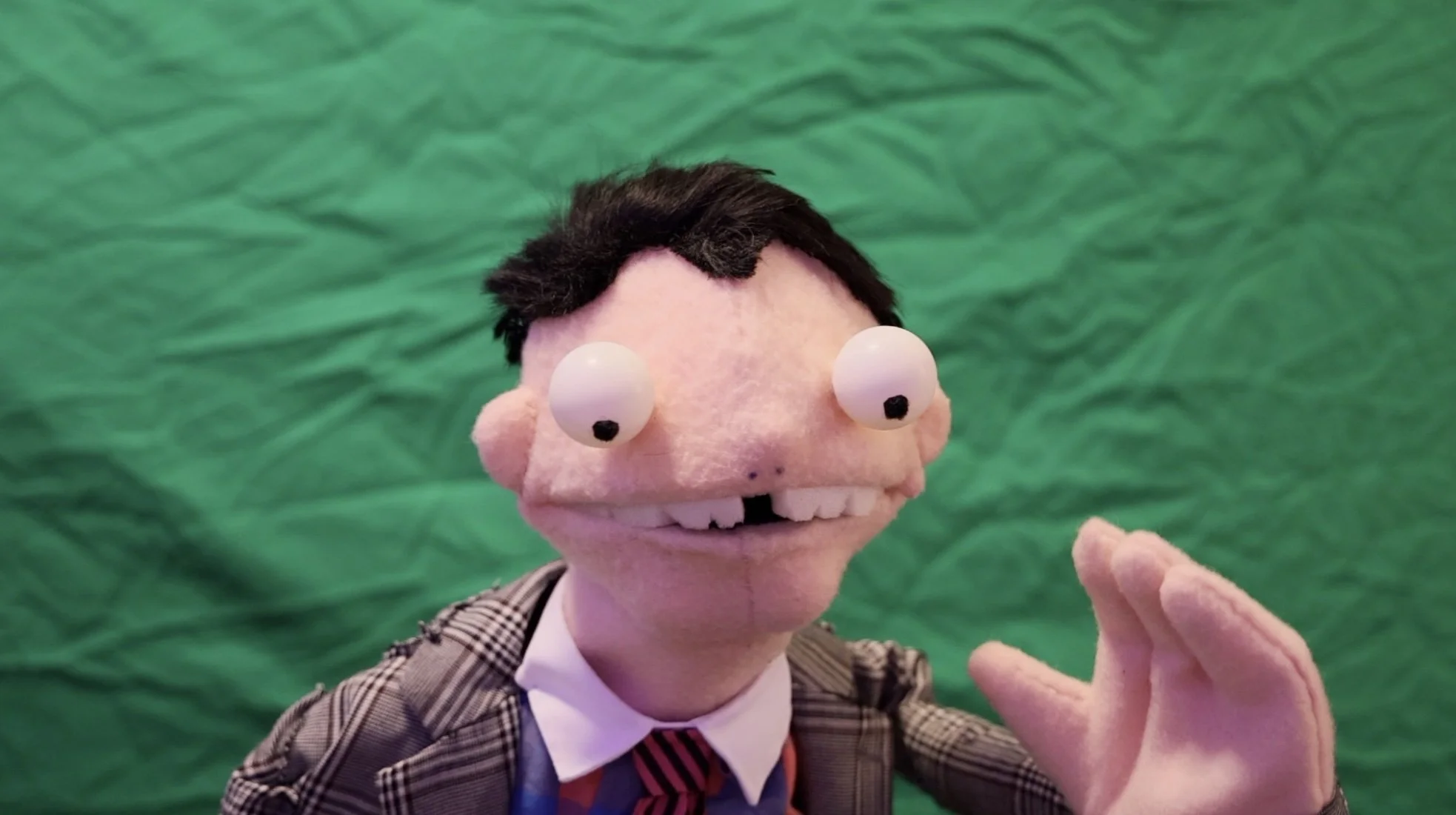
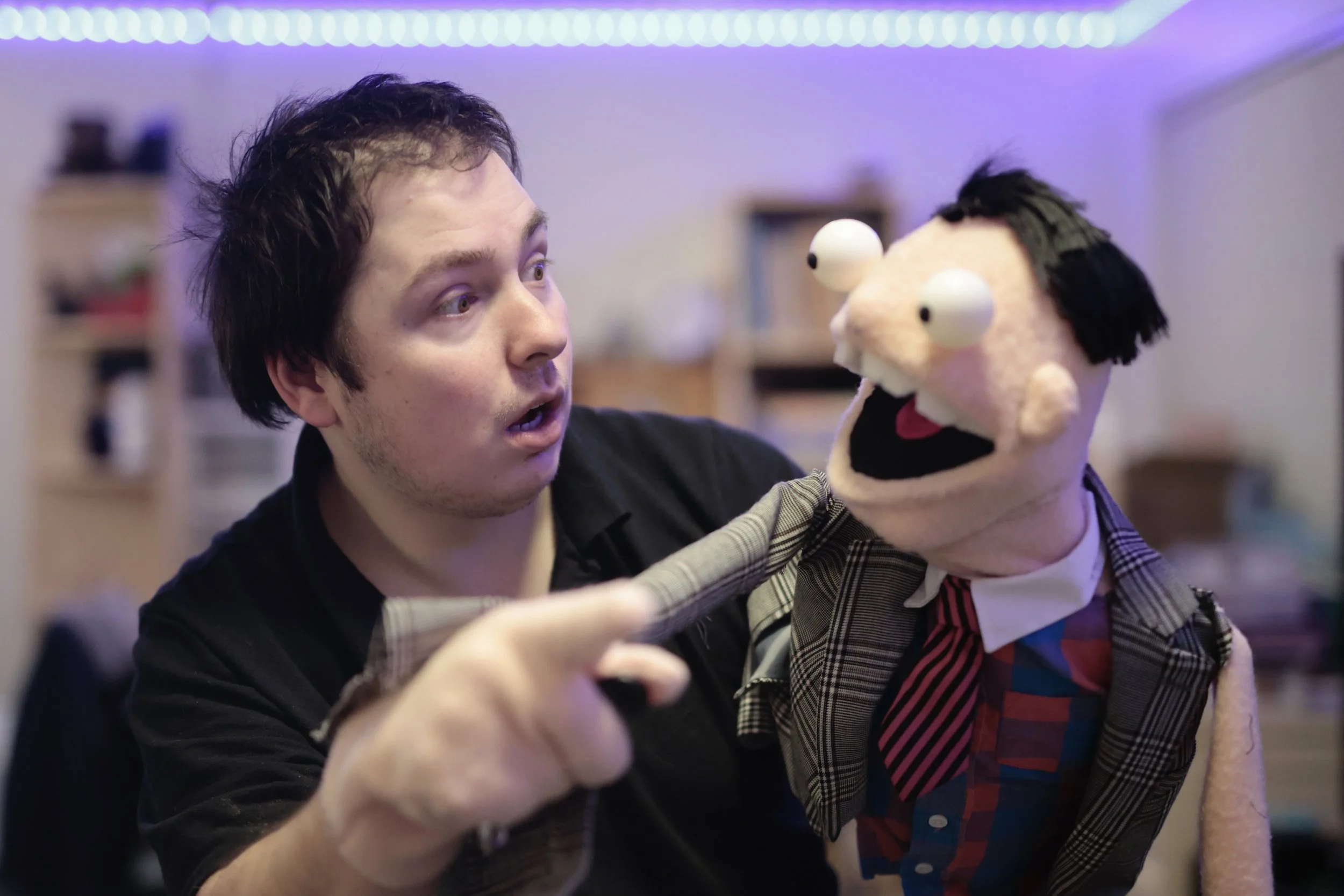
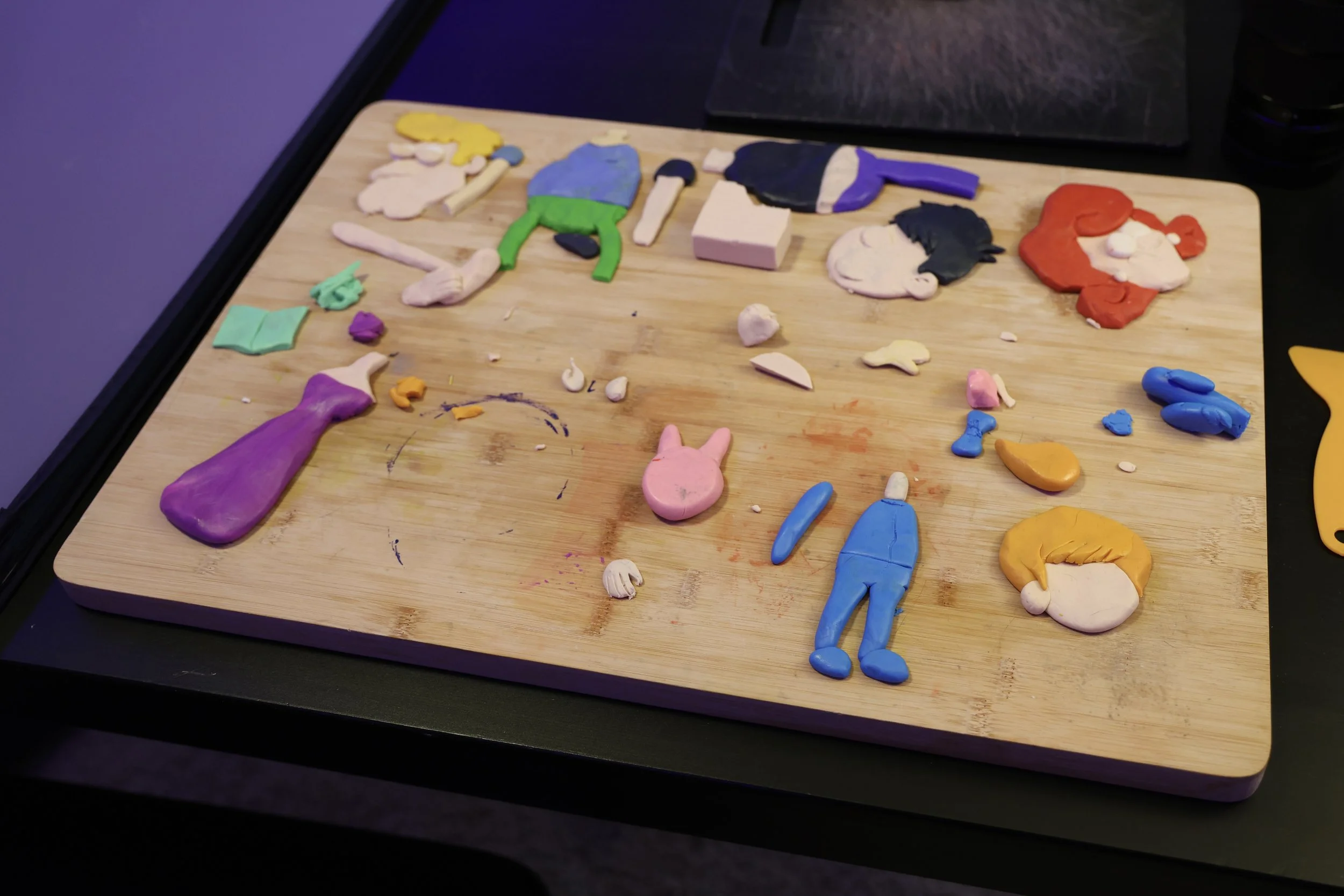
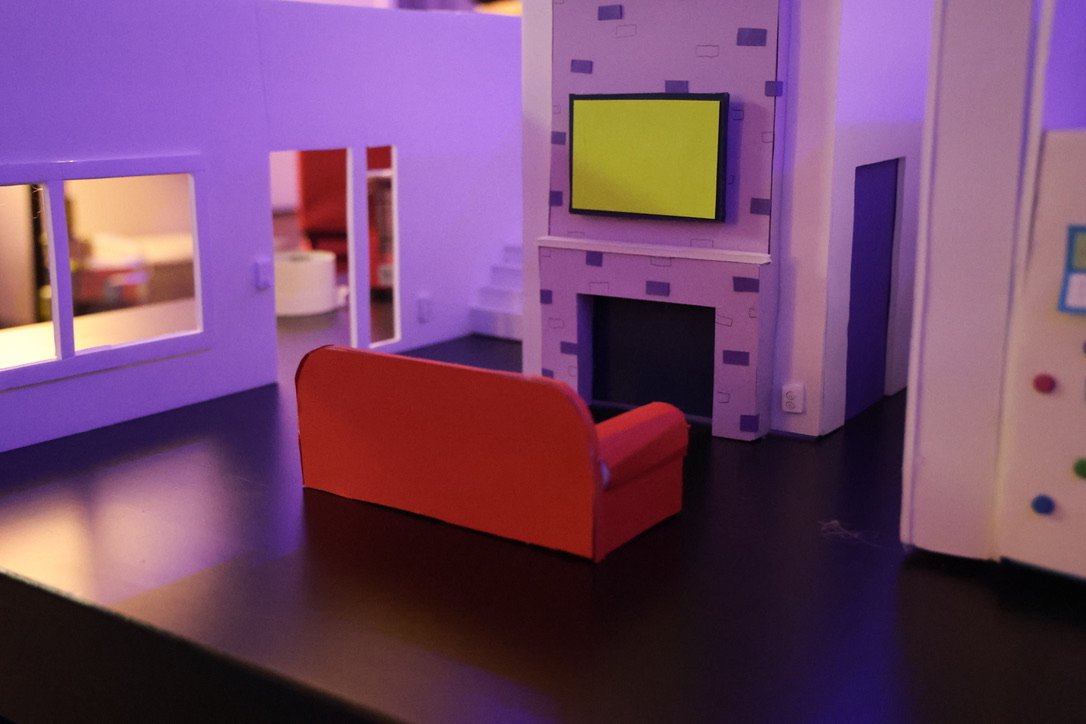
Some segments required physical builds and dimensional assets. The Nescocaine puppet was designed and constructed for live performance, while select environments and props were created as 3D models to support nostalgic retro visual gags for Pal Stereo.
Working with practical elements alongside digital animation helped keep parts of the film tactile and grounded. These physical components introduced small imperfections and textures that would have been difficult to replicate purely in software.
A Note of Thanks
This project exists because of Phil Hartman’s creativity—his voice, his drawings, and his willingness to experiment long before anyone was watching. Being able to work with material that personal and unfinished is both a responsibility and a privilege.
The goal of Phil Hartman’s Flat TV isn’t to define or reinterpret Phil’s work, but to give these early sketches a chance to be seen and heard in a new way. It’s been exciting to watch these small, raw ideas take visual form, and even more exciting to imagine audiences finally getting to experience Phil’s work one more time.